Poison Ivy Removal in Montgomery County, PA
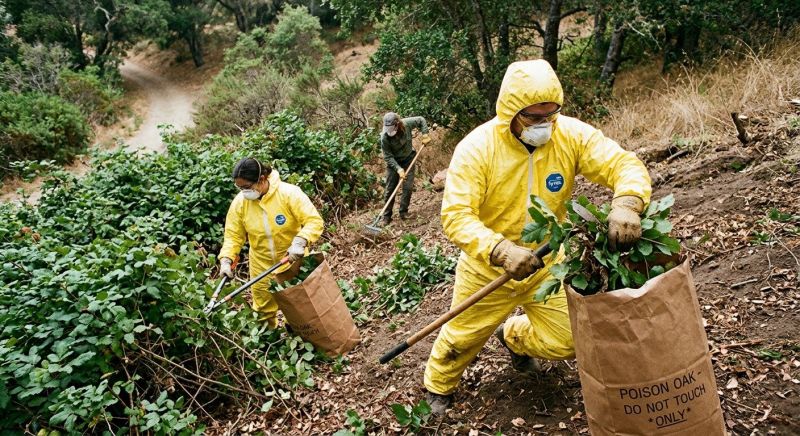
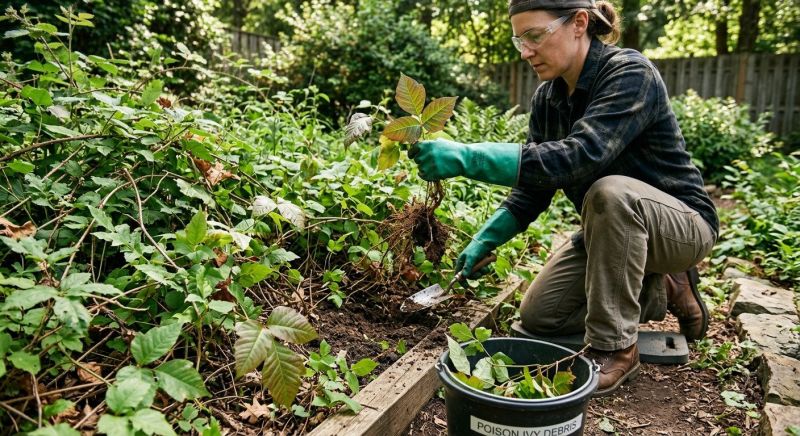
Poison ivy removal services focus on safely eliminating this common plant that can cause skin irritation and allergic reactions for homeowners and property owners. These services typically involve identifying and carefully removing poison ivy from lawns, gardens, wooded areas, fences, and other landscape features. The goal is to clear affected areas to prevent contact and reduce the risk of allergic reactions, especially in properties with children, pets, or frequent outdoor activity. Projects may range from treating small patches to extensive removal of large infestations across multiple zones on a property.
Property owners interested in poison ivy removal should understand the importance of proper identification and the potential hazards involved in removal processes. It’s useful to know whether the plant is in hard-to-reach areas or mixed with other vegetation, as this can influence the scope of work. Clarifying concerns about regrowth, property access, and the presence of nearby plants or structures can help in planning an effective removal strategy. Proper removal not only improves the safety and appearance of outdoor spaces but also helps prevent future growth and spread of poison ivy.
Many property owners in Montgomery County, PA look into Poison Ivy Removal for repairs, replacements, upgrades, and appearance-related improvements.
Identifying Poison Ivy
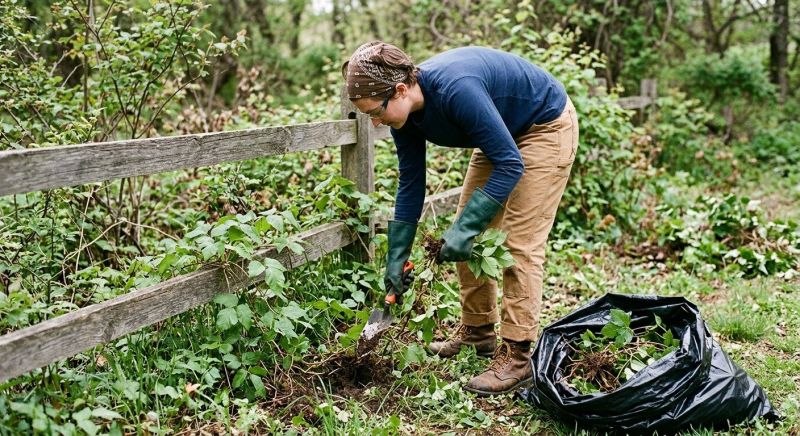
Recognizing the signs of poison ivy on residential and commercial landscapes in montgomery county, pa.
Safety And Removal
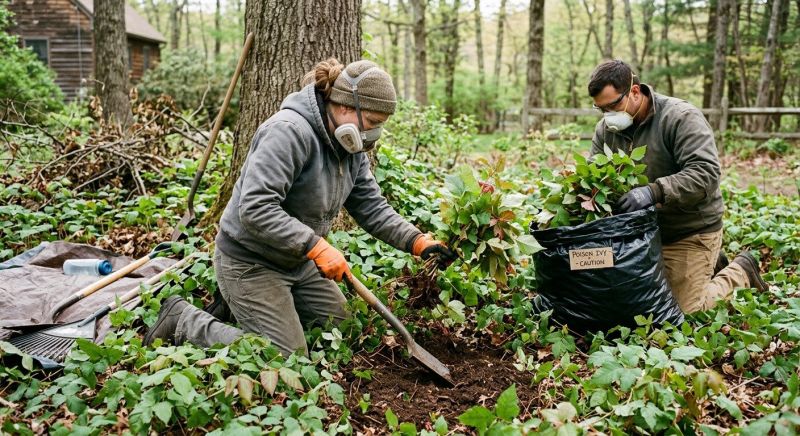
Effective techniques to eliminate poison ivy while ensuring safety for property occupants and visitors.
Prevention And Maintenance
Strategies to prevent future growth and protect outdoor spaces in montgomery county properties.
Poison Ivy Removal in Montgomery County, PA

Poison ivy removal services focus on safely eliminating this common plant that can cause skin irritation and allergic reactions for homeowners and property owners. These services typically involve identifying and carefully removing poison ivy from lawns, gardens, wooded areas, fences, and other landscape features. The goal is to clear affected areas to prevent contact and reduce the risk of allergic reactions, especially in properties with children, pets, or frequent outdoor activity. Projects may range from treating small patches to extensive removal of large infestations across multiple zones on a property.
Property owners interested in poison ivy removal should understand the importance of proper identification and the potential hazards involved in removal processes. It’s useful to know whether the plant is in hard-to-reach areas or mixed with other vegetation, as this can influence the scope of work. Clarifying concerns about regrowth, property access, and the presence of nearby plants or structures can help in planning an effective removal strategy. Proper removal not only improves the safety and appearance of outdoor spaces but also helps prevent future growth and spread of poison ivy.
Many property owners in Montgomery County, PA look into Poison Ivy Removal for repairs, replacements, upgrades, and appearance-related improvements.
Common Poison Ivy Removal Jobs
Poison Ivy Removal - safely eliminates invasive plants from residential yards and landscapes.
Yard Clearing - removes poison ivy from lawns, gardens, and wooded areas.
Property Maintenance - prevents future growth by managing overgrown vegetation.
Landscaping Services - integrates poison ivy removal into regular landscape care.
Brush and Shrub Clearing - clears thick growths that may contain poison ivy.
Hazardous Plant Removal - addresses dangerous plants that pose health risks to homeowners.
Poison Ivy Removal Questions
What is poison ivy removal? Poison ivy removal involves safely eliminating the plant from residential or commercial properties to prevent skin irritation and environmental spread.
Why should poison ivy be removed? Removing poison ivy reduces the risk of skin contact and helps maintain a safe outdoor environment for residents and visitors.
What areas are commonly treated for poison ivy? Common treatment areas include yards, gardens, fences, and around outdoor structures where the plant may grow unnoticed.
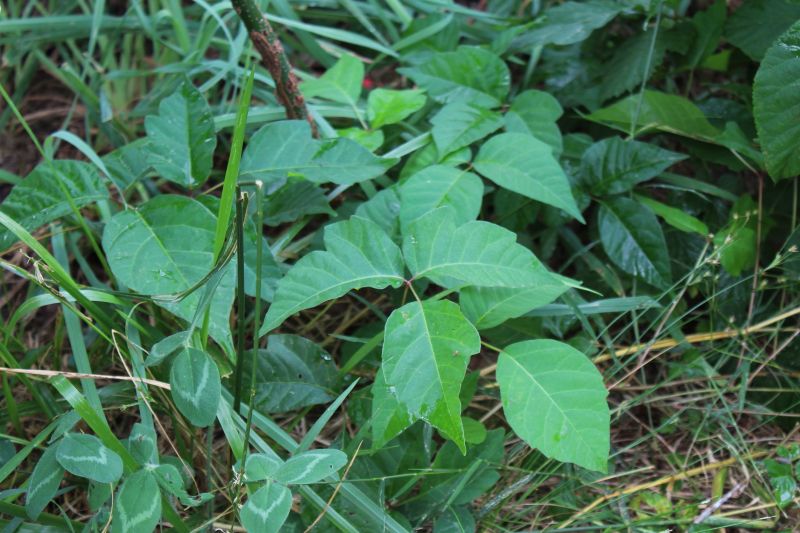
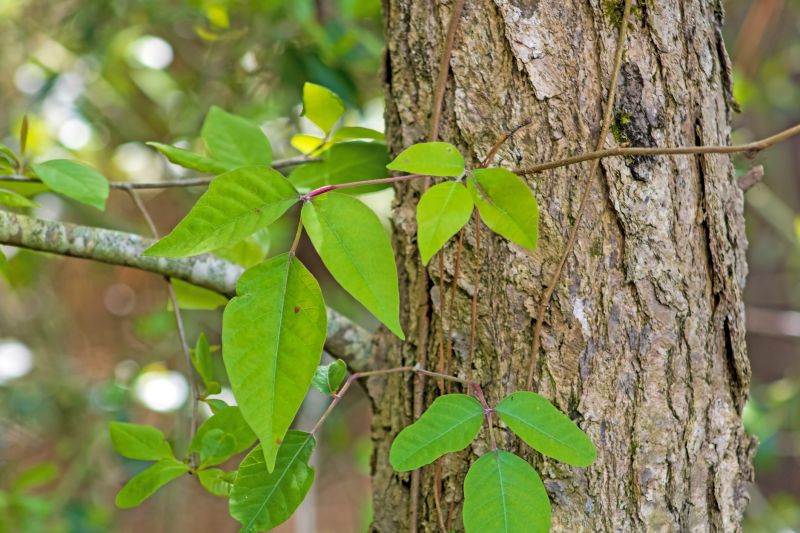
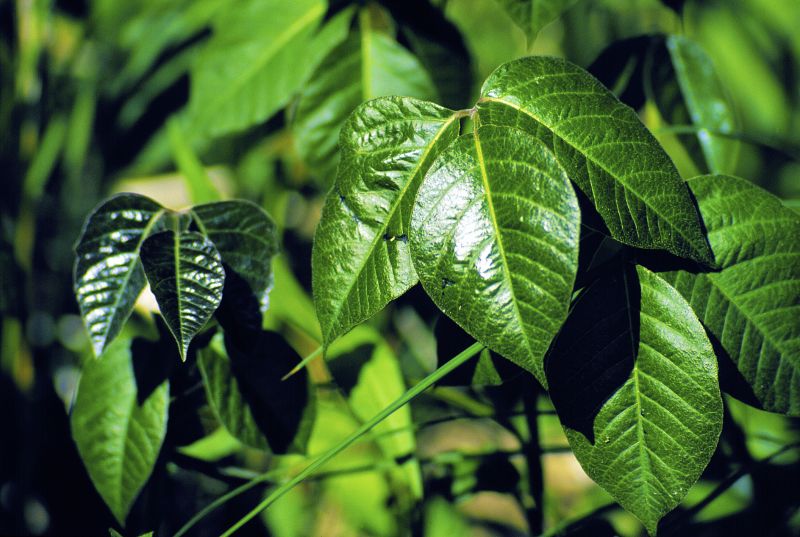
How can property owners identify poison ivy? Poison ivy typically has three leaflets with a shiny surface and can vary in color from green to reddish, especially in fall.
Request Poison Ivy Removal in Montgomery County, PA
Use the quote form on this page to share the basics of your project and request more information for the type of work you need.